
IPC and Environmental Controls: First Contact Matters
Sun, 20 Apr 2025
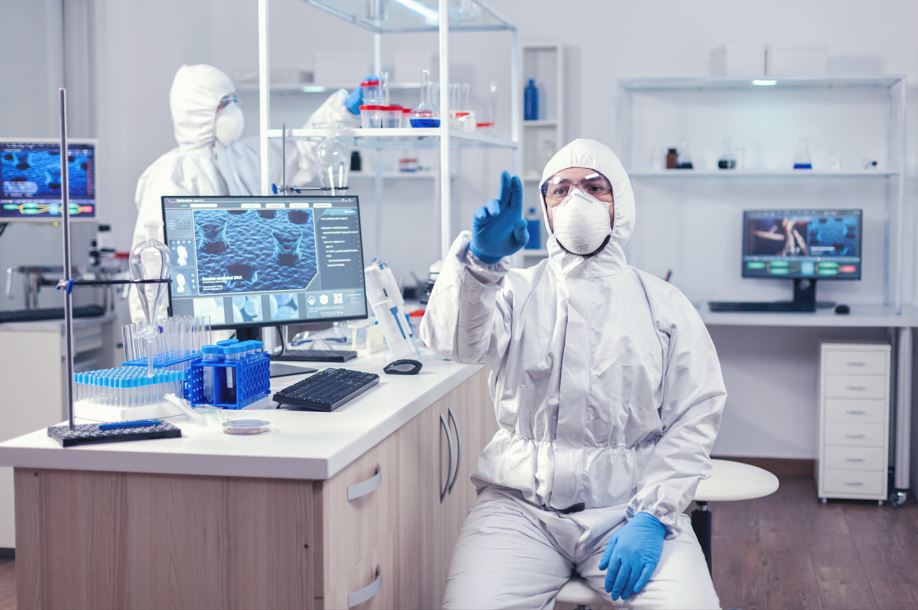

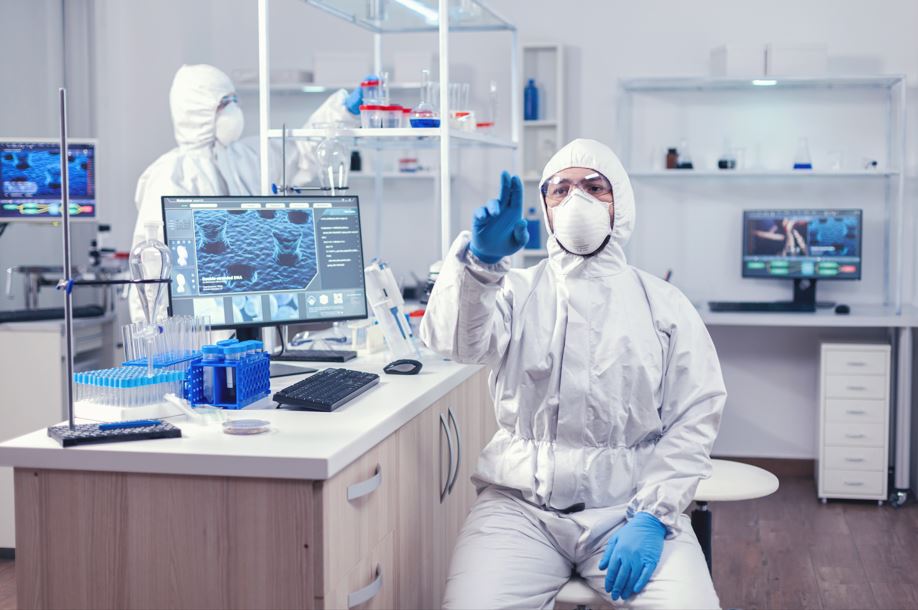
Infection prevention and control (IPC) begins long before a healthcare provider puts on gloves or a patient enters an isolation room. It begins at first contact, with the healthcare environment itself.
From the moment a patient steps into a health facility, the surrounding environment plays a critical role in shaping their risk of exposure to infectious agents. The physical space, air quality, surface cleanliness, and crowding all influence the likelihood of transmission. In many facilities, particularly in low-resource settings, these factors are not sufficiently prioritized, yet they are fundamental to effective IPC.
The initial areas where patients wait, sit, or are assessed such as reception areas, triage zones, and outpatient benches are often shared by many, including individuals who may carry transmissible infections. These early points of contact can either reduce or amplify the risk of exposure.
Airborne pathogens such as Mycobacterium tuberculosis, contact-transmissible organisms like Clostridioides difficile, or multidrug-resistant organisms (MDROs) can be transferred through poorly maintained surfaces, contaminated air, or inadequate zoning of patient flow. IPC failures at this stage can have serious consequences, particularly for vulnerable patients.
Environmental controls refer not only to infrastructure, but also to the systems and behaviors that support safe care environments. This includes:
Proper natural or mechanical ventilation to reduce airborne pathogen load
Functional zoning and triage to separate symptomatic patients from others
Placement of hand hygiene stations at entry and high-traffic points
Routine and visible cleaning of high-touch surfaces
Waste management protocols that prevent environmental contamination
These controls are central to IPC programs and are recommended by WHO, CDC, and many national guidelines.
In many real-world settings, first contact failures are common. Examples include:
A symptomatic patient with a cough sits for an extended time in a poorly ventilated waiting area
No hand hygiene stations are available at facility entrances
Environmental surfaces such as benches, door handles, and triage beds are not disinfected regularly
Cleaning staff are not trained in IPC protocols or are not integrated into facility-level IPC planning
These are missed opportunities to break the chain of transmission at the earliest and most efficient point.
To strengthen IPC at first contact, facilities should:
Ensure hand hygiene stations are available and accessible at entrances and waiting areas
Improve ventilation in waiting and triage areas, even through simple means such as opening windows and ensuring airflow
Disinfect shared surfaces frequently using appropriate products
Train cleaning and frontline staff on environmental transmission risks and protocols
Use patient flow management tools and signage to reduce unnecessary contact and exposure
Environmental controls should not be seen as background tasks. They are foundational IPC measures. Focusing on first contact means investing in prevention upstream, before any invasive procedures or high-risk interactions take place.
Infection prevention does not start with treatment. It starts with space.
Sun, 20 Apr 2025
Sun, 20 Apr 2025
Leave a comment