
IPC and Environmental Controls: First Contact Matters
Sun, 20 Apr 2025


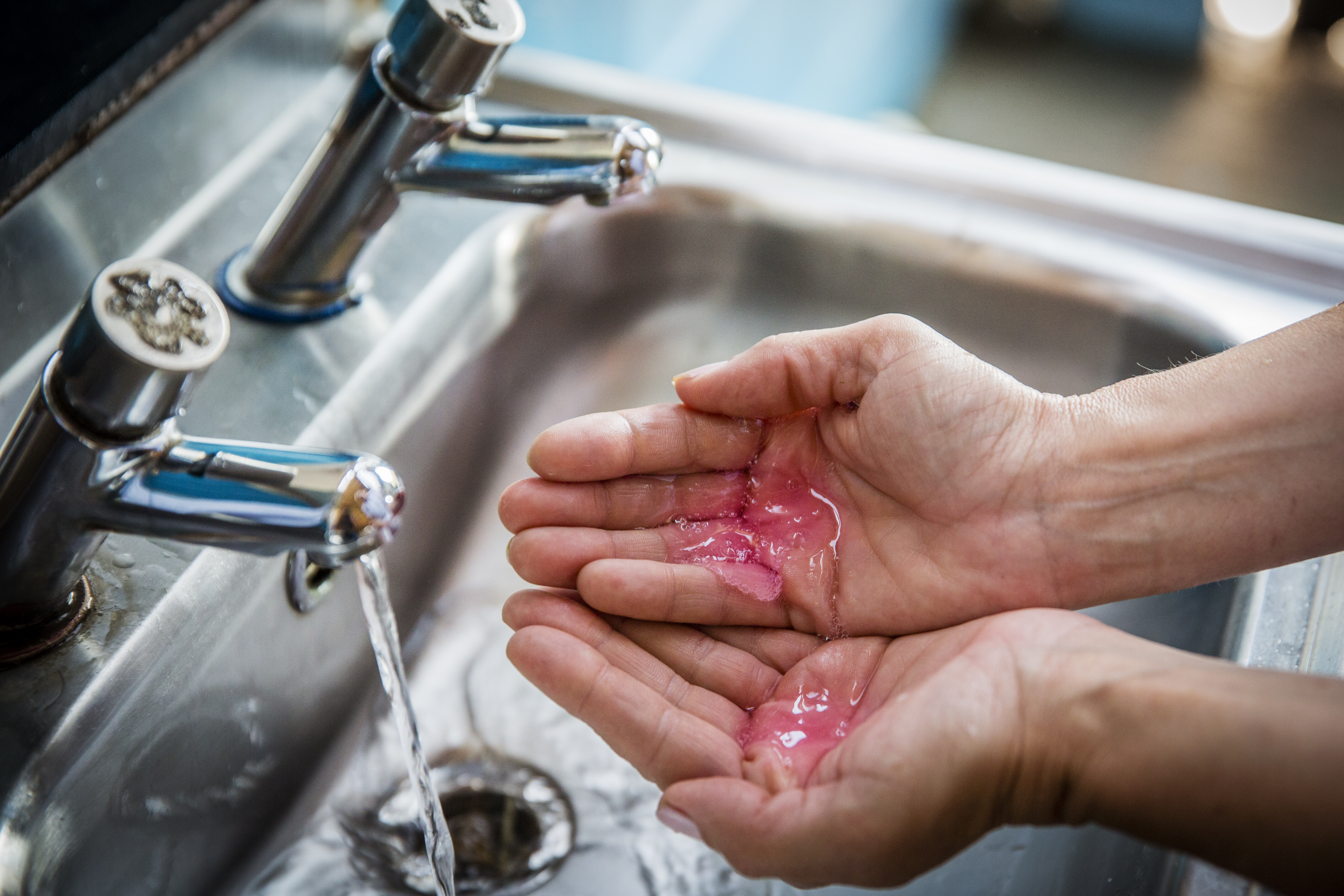
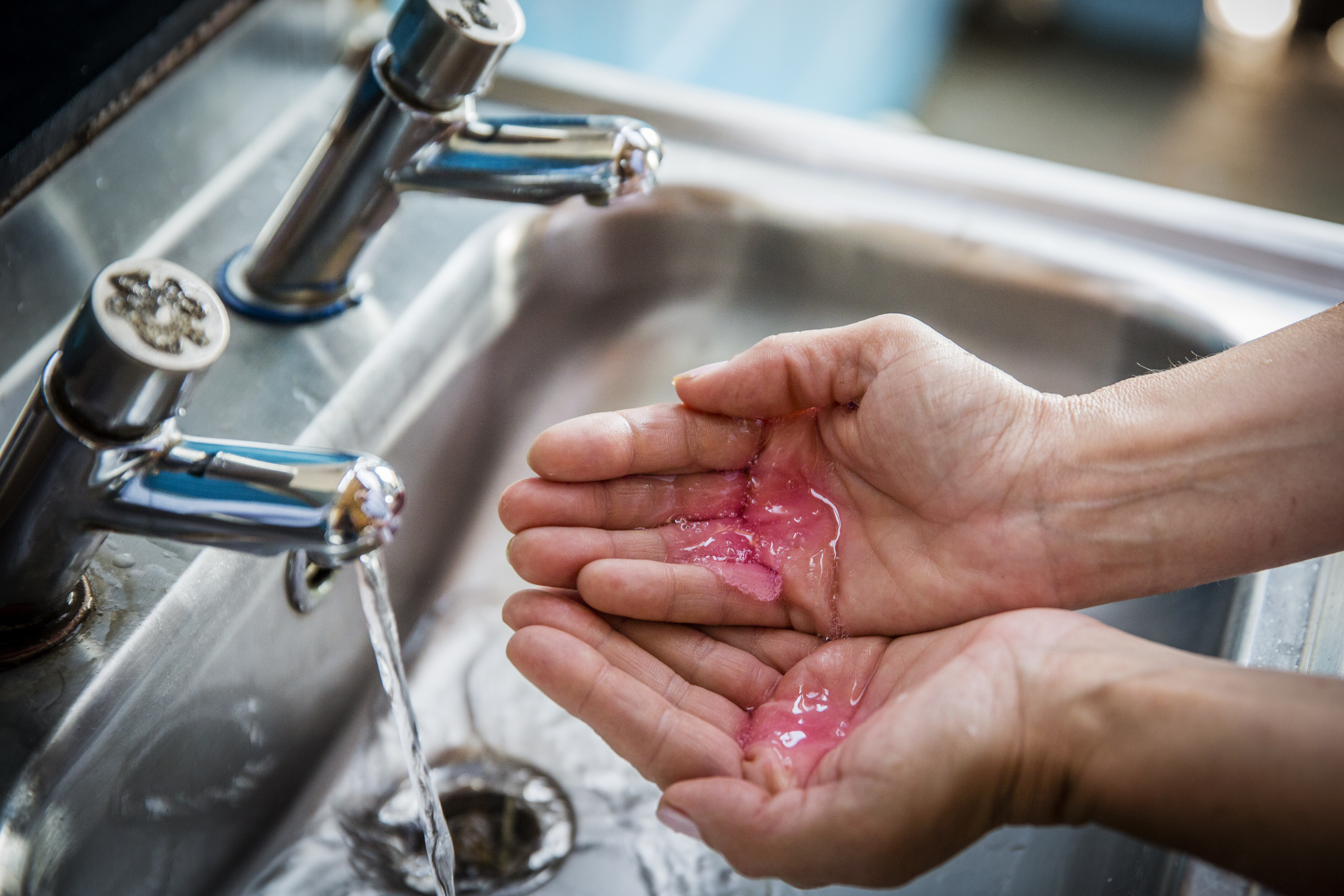
Infection prevention is one of the simplest and most powerful tools in modern healthcare. Yet it often depends on something as quick and ordinary as five seconds of hand hygiene.
Whether it involves alcohol-based hand rub or soap and water, those few seconds can interrupt the transmission of bacteria, viruses, and fungi that cause healthcare-associated infections (HAIs). These infections are responsible for prolonged hospital stays, increased antimicrobial resistance, and avoidable deaths. In many cases, they occur because a critical opportunity to clean hands was missed.
Every interaction between a healthcare worker and a patient is a potential moment of transmission. From administering medication to adjusting a catheter or simply checking vital signs, pathogens can be transferred if hands are not properly decontaminated.
Hand hygiene is the most basic, low-cost, and evidence-based intervention in any infection prevention and control (IPC) strategy. Yet compliance remains globally suboptimal.
Research shows that consistent hand hygiene can reduce HAIs by up to 50 percent. This is not only a matter of technical performance, but also of timing. Five seconds before or after patient contact can make the difference between protection and exposure.
To guide proper practice, the World Health Organization has defined five key moments when healthcare workers should clean their hands:
Before touching a patient
Before a clean or aseptic procedure
After exposure to body fluids
After touching a patient
After touching patient surroundings
These moments are not arbitrary. They are based on the understanding of how microorganisms move between hands, surfaces, and patients in clinical settings.
Barriers to hand hygiene are not just about forgetfulness. They include:
Lack of accessible hand rub or sinks at the point of care
Inconsistent supply of soap or alcohol-based solutions
Poor role modeling by senior staff
Time pressure or high workload
A facility culture that prioritizes documentation over safety
To improve compliance, IPC programs must go beyond education. They must address structural, behavioral, and cultural drivers of hand hygiene.
Improving hand hygiene is not only about rules and reminders. It requires leadership, role modeling, and daily reinforcement. When healthcare staff see their peers and supervisors practicing hand hygiene consistently, it reinforces the norm. When compliance is recognized and supported, it becomes embedded in the professional identity of the staff.
Facilities that succeed in creating a culture of clean hands are not only safer for patients but also for their workforce.
Hand hygiene is everyone’s responsibility, from frontline staff to administrators. It is not just a technical skill but a visible expression of respect for patient safety and professional accountability.
Five seconds may seem like a small effort. But when repeated across thousands of patient contacts, they become a powerful collective shield against preventable harm.
The message is simple. Clean hands save lives. And it starts now.
Sun, 20 Apr 2025
Sun, 20 Apr 2025
Leave a comment